Firs Primary School
Computing
Updated September 2026
Our Vision
At Firs Primary School, we believe that every child should have the knowledge, skills and confidence to thrive in an increasingly digital world.
Our aim is to develop confident, creative and responsible users of technology who understand how computing can support learning, communication and everyday life.
We want our children to become more than just users of technology. We want them to develop the curiosity, problem-solving skills and computational thinking needed to understand how technology works, create digital content and use technology safely and responsibly.
We recognise that children arrive at school with different experiences of technology. Our curriculum provides opportunities for all pupils to develop their digital knowledge and skills, regardless of their starting points.
Our computing curriculum
At Firs, we use the Teach Computing Curriculum, developed by the National Centre for Computing Education (NCCE), to support the teaching and learning of computing from Year 1 to Year 6.
The curriculum is designed to develop children's knowledge and understanding progressively, building on what they have learned previously and preparing them for the next stage of their education.
Our computing curriculum is based on the three interconnected areas of the National Curriculum:
Computer Science
Children learn how computers and digital systems work. They develop their understanding of algorithms, programming and logical reasoning, learning to create, test and improve their own programs.
Information Technology
Children learn to use a range of digital tools and applications purposefully. They develop skills in creating, organising, storing and presenting digital content, including images, text, sound, video and data.
Digital Literacy
Children learn how to use technology safely, respectfully and responsibly. They develop an understanding of their digital footprint, online relationships, privacy and the importance of making informed decisions when using technology.
Together, these areas ensure that children develop both the practical skills and the knowledge needed to become confident digital citizens.
How Computing Is Taught at Firs
Computing is taught through carefully sequenced units of learning using the Teach Computing Curriculum.
Lessons provide opportunities for children to explore new concepts, practise skills, solve problems and apply their learning in meaningful contexts.
As children progress through school, they revisit important concepts and build upon their previous knowledge, developing greater independence and confidence.
Our teaching includes:
- Practical, hands-on experiences using a range of digital devices.
- Programming activities that develop logical thinking, sequencing and problem-solving.
- Creative opportunities to produce and manipulate digital content.
- Opportunities to collect, organise, interpret and present data.
- Discussion and exploration of how technology is used in everyday life.
- Regular opportunities to revisit and apply previously taught knowledge and skills.
Computing also supports learning across the wider curriculum, where children have opportunities to apply their digital skills for different purposes.
Computing and EYFS
At Firs, children's computing journey begins in the Early Years Foundation Stage.
Although computing is not a separate area of learning within the EYFS statutory framework, children develop important foundations for future computing through purposeful play, exploration and practical experiences.
In Nursery and Reception, children are encouraged to develop curiosity, problem-solving, communication and an understanding of cause and effect.
These early experiences support the development of computational thinking, including recognising patterns, following instructions, sequencing events and finding solutions to problems.
Children have opportunities to explore technology through adult-guided activities and continuous provision, alongside practical, screen-free experiences.
For example, children may:
- Explore how everyday technology works.
- Use simple programmable toys to follow and give instructions.
- Recognise and create patterns and sequences.
- Explore cause and effect through play.
- Use digital devices to capture images or explore information.
- Begin to understand how to use technology safely and appropriately.
These experiences provide meaningful foundations for the more formal computing curriculum introduced in Key Stage 1.
Online safety and Digital Responsibility
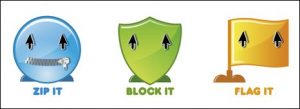
Keeping children safe online is an essential part of our computing curriculum.
At Firs, online safety is taught progressively and reinforced throughout the school year, both within computing lessons and through wider learning opportunities.
Children learn about:
- Keeping personal information private.
- Recognising safe and unsafe online situations.
- Communicating respectfully and kindly online.
- Understanding that not everything they see online is reliable.
- Recognising when something online makes them feel uncomfortable or worried.
- Knowing when and how to seek help from a trusted adult.
- Developing responsible habits when using digital technology.
We recognise the importance of working in partnership with parents and carers to support children in developing safe and positive relationships with technology.
Further information, advice and resources for families can be found on our Online Safety page.
Inclusion and Equal Opportunities
We believe that computing is for everyone.
Our curriculum is designed to provide all children, including those with special educational needs and disabilities (SEND) and those learning English as an additional language (EAL), with opportunities to participate, achieve and succeed.
Teachers adapt learning activities and provide appropriate support to ensure that children can access key computing concepts.
This may include visual instructions, modelling, practical resources, scaffolded tasks, additional opportunities to practise and alternative ways for children to demonstrate their understanding.
We recognise that children may have different levels of access to technology outside school. We therefore provide opportunities for pupils to develop familiarity, confidence and independence when using a range of digital devices.
Our aim is to ensure that every child can experience success and develop the knowledge and skills needed for their next stage of learning.
Devices
At Firs we are lucky enough to have a wealth of practical resources to support the teaching of our computing curriculum. Through the carefully chosen programmes and resources, these enable progression as pupils move through the school. Computing is primarily taught on laptops/netbooks but children also have access to tablets; bee-bots; pro-bots; digital cameras; and data loggers.


Progression Through School
Our computing curriculum is carefully sequenced to ensure that knowledge and skills develop as children move through school.
Early Years Foundation Stage: Children develop the foundations of computational thinking through play, exploration, problem-solving and early experiences with technology.
Key Stage 1: Children begin to understand algorithms and simple programming. They learn to create digital content, recognise technology in everyday life and develop essential online safety knowledge.
Lower Key Stage 2: Children extend their programming skills, explore different digital applications, develop their understanding of networks and use technology to create and communicate information.
Upper Key Stage 2: Children apply increasingly complex programming concepts, use a wider range of digital tools, explore data and develop their understanding of how digital systems and online information work.
By the end of Year 6, our ambition is for children to be confident, independent and responsible users of technology, equipped with the knowledge and skills to continue their computing education successfully at secondary school.
The Impact of Our Computing Curriculum
Through our computing curriculum, we aim for children to:
- Develop secure knowledge and understanding of key computing concepts.
- Apply computational thinking to solve problems.
- Create, evaluate and improve digital content and programs.
- Use technology confidently and purposefully.
- Understand how technology influences everyday life.
- Make safe, informed and responsible choices online.
- Demonstrate increasing independence, resilience and creativity.
- Be well prepared for the next stage of their computing education.
Teachers assess children's understanding throughout lessons and units, using their responses, discussions and practical outcomes to identify progress, address misconceptions and plan appropriate next steps.
Our ambition is for every child to leave Firs with the confidence, knowledge and skills to participate positively in an increasingly digital world.
Useful Links
Find out more about the curriculum and the computing knowledge and skills taught throughout primary school.
National Curriculum for Computing
View the statutory computing programmes of study for Key Stages 1 and 2.
Education for a Connected World
Explore the knowledge, skills and understanding children need to navigate the online world safely and responsibly.
Information and guidance to support parents and carers in keeping children safe online.
School Closure COVID19
As a result of the National Lockdown from Jan – Mar 2021, it was recognised that, although our children were fairly proficient using tablets and telephones, they lacked some of the basic computer skills that ensure efficient use of a computer and enable them to use a computer effectively independently without adult support.
We have created a list of basic computer skills that may be necessary for children to understand how to do when using a computer. These skills are separate from our progressive computing curriculum as they are skills that can be applied across multiple other areas of computing and they are relevant to and required for all pupils in key stage 2 (key stage 1 where necessary). These skills may not be taught in a discreet computing lesson but in conjunction with other lessons (both computing and other areas of the curriculum). Where possible, we will aim to provide children with more regular opportunities to complete some wider curriculum work on the computer.